Ever feel like diving into Solana’s DeFi scene is like stepping into a wild bazaar? So many protocols, validators, and wallet choices—it’s a lot to swallow. At first glance, I thought, “Okay, just pick any wallet and jump in.” But nah, that’s too simplistic. Something felt off about just trusting any random interface, especially when staking and DeFi are involved. Your wallet isn’t just a keychain; it’s your gateway and your shield in this crazy ecosystem.
Here’s the thing. If you’re into staking or working with DeFi protocols on Solana, your transaction history isn’t just numbers—it’s a story. It tells you what’s worked, what hasn’t, and where your funds have danced around. But tracking this history can be tricky. I mean, how many times have you tried to recall if you approved some contract last week? Exactly.
On one hand, some wallets give you a neat interface to see past transactions, but they often lack the depth needed to truly vet validator performance or protocol reliability. On the other hand, diving into blockchain explorers is a headache—the data’s there, but it’s not exactly user-friendly or intuitive for the casual DeFi player.
Initially, I thought that all wallets were pretty much the same, just different flavors of the same tech. But then I discovered some offer extensions that mesh super smoothly with the Solana ecosystem—giving you real-time validator info, staking options, and transaction tracking without the usual fumbling around. This is where the solflare wallet extension really caught my eye.
Whoa! The solflare wallet extension isn’t just another wallet plugin—it’s like having a personal assistant for your staking strategy. It shows you which validators are reliable or risky, and it keeps your transaction history front and center. Seriously, this kind of transparency is rare.
But wait, there’s more. Picking a validator isn’t just about who pays the highest rewards. I’ve seen folks blindly chase high APRs only to get burned by validators that go offline or, worse, behave maliciously. Validators with consistent uptime and community trust matter a lot. The solflare wallet extension helps you sift through that noise.
Okay, so check this out—transaction history isn’t just for nostalgia. It’s crucial for security audits. If you notice unexpected transactions, it could signal a breach or phishing attempt. Some wallets bury this info, making it a pain to spot irregularities early.
My instinct said I needed a wallet that balances ease of use with robust security features. The solflare wallet extension does just that, wrapping complex DeFi interactions into a smoother experience. Plus, it’s designed specifically for Solana, which means you’re not dealing with compatibility headaches.
Now, I’m not 100% sure about every feature it offers, but from what I’ve used, it handles validator selection and staking with a transparency that feels refreshing. And when you’re dealing with DeFi on Solana, you want that kind of clarity.
Here’s what bugs me about some other wallets: they promise fancy interfaces but don’t back it up with real-time data on validator performance or quick access to transaction logs. This gap can cost you—either through missed staking opportunities or worse, security mishaps.
So yeah, choosing a wallet isn’t just a convenience thing—it’s a strategic move in the Solana DeFi game. I’ve found myself revisiting past transactions more often than I expected, especially when validators update their commission rates or when protocols tweak their rules.
And by the way, the solflare wallet extension integrates seamlessly with major DeFi protocols on Solana. That was a pleasant surprise—no clunky handoffs or confusing approvals. It feels like the wallet was built by people who actually use the network daily, not just designers chasing trends.
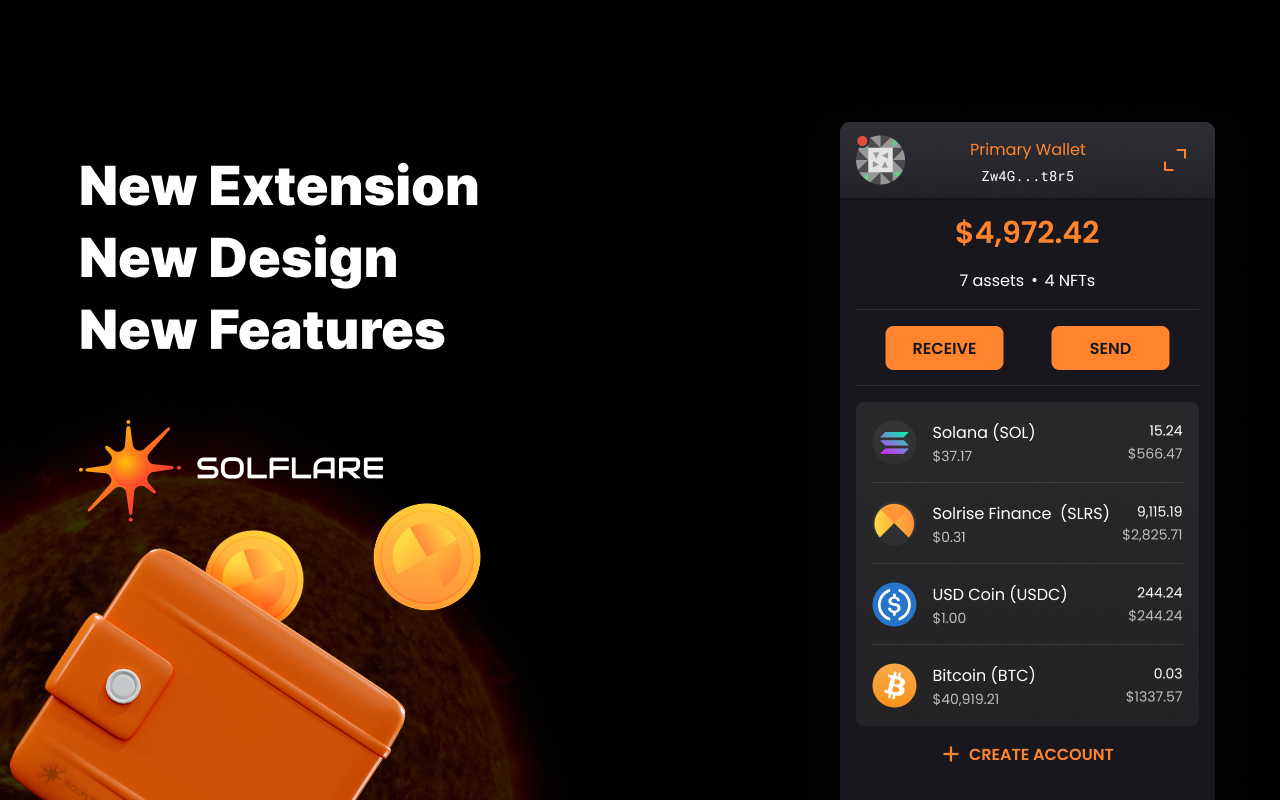
Looking at this dashboard, you can see how validator uptime, commission, and your staking rewards all come together. It’s tools like this that turn DeFi from a black box into something tangible.
Why Validator Selection Matters More Than You Think
Validator choice is kinda like picking a mechanic for your car. You want someone reliable, not just cheap. And yeah, staking rewards are important, but if your validator goes down often, you risk losing out on payouts or even getting slashed in some networks (though Solana’s approach is a bit more forgiving).
With the solflare wallet extension, you get a real-time pulse on validator health: uptime metrics, reputation scores, and recent activity. This lets you make more informed decisions instead of chasing shiny APR numbers blindly. I felt a big shift when I stopped focusing solely on rewards and started looking at validator consistency.
Honestly, I used to overlook the importance of transaction history in this process. I thought, “If my staking works, all good.” But tracking what actually happened—like how many stake activations or deactivations occurred—gives you insight into your staking behavior and potential protocol issues.
On the flip side, some DeFi protocols on Solana have complicated staking mechanics. Without clear transaction histories, you might not realize you’ve locked tokens accidentally or that a cooldown period is kicking in. That’s a real headache, and not something you want to discover the hard way.
Something else I noticed—validator slashing events are rare but can happen. Having a wallet that flags these risks upfront is a game changer. The solflare wallet extension provides these kinds of alerts, which makes me sleep better at night.
Really? Yeah. It’s the little things—like an alert when a validator’s commission changes or if a protocol updates its terms—that add up to smarter staking.
Transaction History: Your DeFi Safety Net
Imagine this: You swap tokens on a DeFi protocol, approve a contract, then later realize you didn’t mean to grant such broad permissions. Without a clear transaction log, you might miss this. I’ve been there—it’s easy to get overwhelmed or forget the details.
Wallet extensions that offer detailed transaction history help you keep track of these approvals and interactions. You can spot suspicious activities or unnecessary permissions, then revoke them quickly. The solflare wallet extension’s approach here feels refreshingly straightforward.
Okay, okay, I’ll admit it. I’m biased, but having all those details right at your fingertips reduces the risk of hacks or scams significantly. It’s not foolproof, but it’s a big step up from guesswork and fragmented data.
On a more technical note, some DeFi users dig deep into transaction histories to audit their own trades or to troubleshoot failed transactions. Not many wallets cater to this level of detail elegantly, though. That’s why I keep coming back to the solflare wallet extension—it strikes a balance between usability and depth.
And here’s a quick aside: if you’re new to this, don’t get overwhelmed by the data. Start small. Track your first few staking transactions or swaps. Over time, the patterns become clearer, and you gain confidence.
Wrapping It Up—Or Not Quite…
So, circling back—your wallet choice on Solana isn’t trivial, especially if you’re deep into DeFi and staking. The solflare wallet extension stands out by offering a blend of transparency, security, and real-time validator insights that can save you from costly mistakes.
But honestly, this space is moving so fast that I’m sure new tools will emerge. For now, though, having a wallet that keeps your transaction history visible and helps you pick the right validators feels like having a trusty compass in the Solana wilderness.
Something to keep in mind: always double-check your transactions and validator stats before locking in your stake. The ecosystem rewards the cautious and well-informed—trust me on that. And if you want to explore a wallet that’s been a reliable partner for me, give the solflare wallet extension a look.
Leave a Reply